

Are you ready for the robots? They are coming in great numbers, they are proficient, and they will do amazing things that human beings cannot. The 2020s are just around the corner. This decade is likely to usher in a new era for civilization—the rise of artificial intelligence.
Blog
Explore content produced by Northwestern University’s faculty and staff

Do you ever wonder where the day goes when you’re stuck sitting behind a desk? Your body does too. While your mind is busy forging ahead and tackling your workload, your body is not doing much other than just being sedentary. Stand-up desks, lunchtime walks, and frequent stretch breaks are all recommended ways to stay active and break up long workdays. However, if you find your body is softening or your metabolism is plummeting, you might need more than light movements throughout the day.

Breakups can be difficult, and many people experience discomfort during the process. But there may be a way to minimize the difficulty by implementing the concept of conscious uncoupling, which was developed by best-selling author and relationship expert Katherine Woodward Thomas.

While counseling continues to expand its influence within various domains of mental health, one area in which there seems to be an observable lack of counselor impact is the field of neuroscience. By promoting “neurocounseling”—a therapeutic approach informed by neuroscience principles—many hope to build a future in which counselors can become neuro-savvy practitioners as well as active contributors to a larger scientific conversation. In fact, one such conversation is already beginning to take shape in Counseling@Northwestern’s newest neurocounseling initiative: BRAINSTORM.

Ever been around someone who is short-tempered before a visit to the dentist? People who fear the dentist may experience an increase in frustration levels and a reduction in tolerance levels. These responses, although uncomfortable, are short-lived and a normal activity of your nervous system. Typically, the nervous feelings decrease or end after the stressful event.
However, for some, the nervous feeling continues and can create problems in daily living. Here, we will look at types of anxiety, how anxiety affects the brain, and how to treat this common experience.

Can couples overcome cheating? The short answer is yes. In making a genuine attempt to overcome cheating in a relationship, there are three factors to consider regarding the aspects of infidelity: identifying, understanding, and resolving.

What do Drake, Pink, and Luke Bryan have in common? These artists have the most songs with at least one reference to alcohol in the Billboard Hot 100 year-end music charts. The Counseling@Northwestern marketing team crunched a decade of Billboard 100 data to investigate how often popular songs mention alcohol. Take a closer look at the data.

The Association of Multicultural Counseling and Development provides a space for people of color to meet, have their ideas heard and conduct research. At the ACA Conference in March, we sat down with the President of AMCD, Dr. Kimberly Frazier, to talk about the organization’s history, successes, and presence at the ACA conference this year.

In a relationship, our desire to know and understand one another is inevitable. Helping those we care about to understand who we are fosters self-awareness and establishes mutual respect. However, several nuances should be considered when it comes to cross-cultural and interfaith relationships.
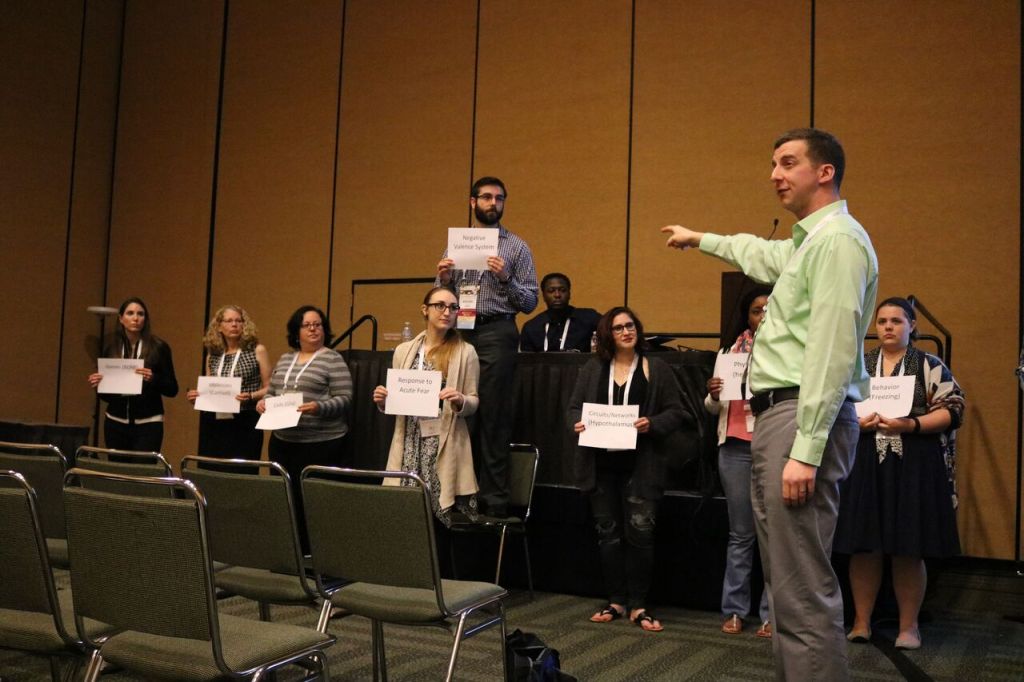
At the American Counseling Association conference in March, Counseling@Northwestern faculty member Dr. Eric Beeson and online graduate student Babatunde Aideyan presented twice on the emerging field of neurocounseling. In a session titled “Creating a Neuroscience Agenda for Counseling Research,” they focused on how to conceptualize research using the Research Domain Criteria (RDoC) External link , a framework for neuroscience research created by the National Institute of Mental Health.